Lesson 5

The Internet and
the World Wide Web
Historical development of the Internet and the World Wide Web

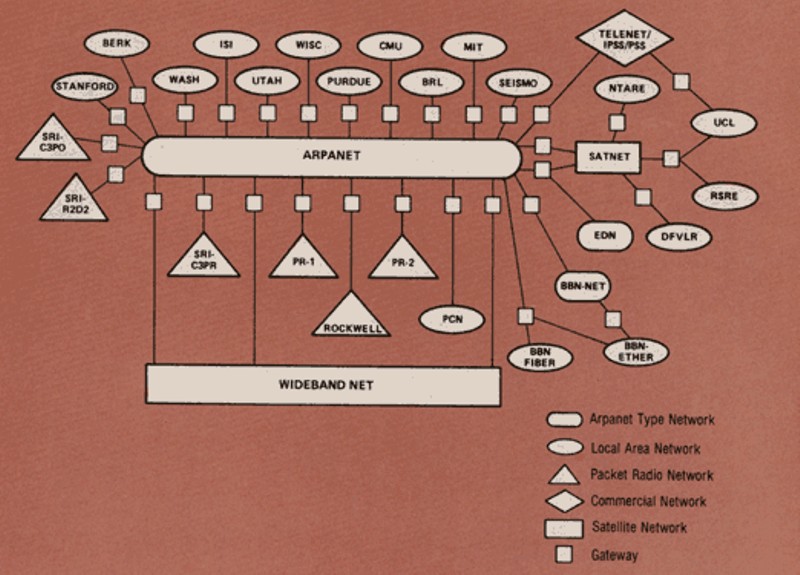
September 2, 1969 – marks the birth of the internet.
October 29, 1969 – message was sent from computer to computer in different locations.

1971- First email was sent over ARPANET by Ray Tomlinson

:format(jpeg):mode_rgb():quality(40)/discogs-images/R-494487-1143895271.jpeg.jpg)
January 1, 1983 – ARPANET adopted the standard TCP/IP protocol.
March 1989 – Tim Berners Lee invented the WWW.

1992 - WWW was released by CERN


1992 - Mosaic became the first web browser.


BASIC WEB-RELATED TERMS AND CONCEPTS
Cyberspace
(societal
territory of netizens)
an electronic universe of information available through
the internet.

Netizen
(citizen of the net)


Internaut
frequent user of internet


Netiquette
good behavior on-line


ISP (Internet Service Provider)
A company that provides you with access to the
internet

URL (Uniform Resource Locator)
Is the global address of documents and other resources on the WWW


HTML (HyperText Markup Language)
It is a cross-platform language for
creating and formatting web pages

PDF (Portable Document Format)
A file format that is not dependent on applications
for proper viewing


Browser
A software used to view web pages

Search Engine
A
specialty site used to search information
:max_bytes(150000):strip_icc()/GettyImages-1047578412-692fa117cf86450287d8873eeb1a95c8-aa8d654cec814174a9e07bdae85a1eb7.jpg)
INSTRUCTIONAL
VALUES OF INTERNET AND WWW
1. Access to knowledge and information.

2. Access to instructional resources.


3. Extended learning opportunities.

4. Support lifelong learning.

5. Support Computer-Based Instruction

6. Support delivery of distance learning
programs.

7. Promote, facilitate and support other
academic functions such as enrollment, access to program of instruction and
serves as communication channel between and among parents, teachers and
students

8. Support social media apps such as Facebook,
Twitter, Instagram, and others.